Biofuel Oils Inc. is a Canadian, family-owned company that purchases used cooking oil from restaurants and the food service industry throughout Atlantic Canada. We have been collecting and purchasing used cooking oil from food establishments and through local collectors for over 10 years.
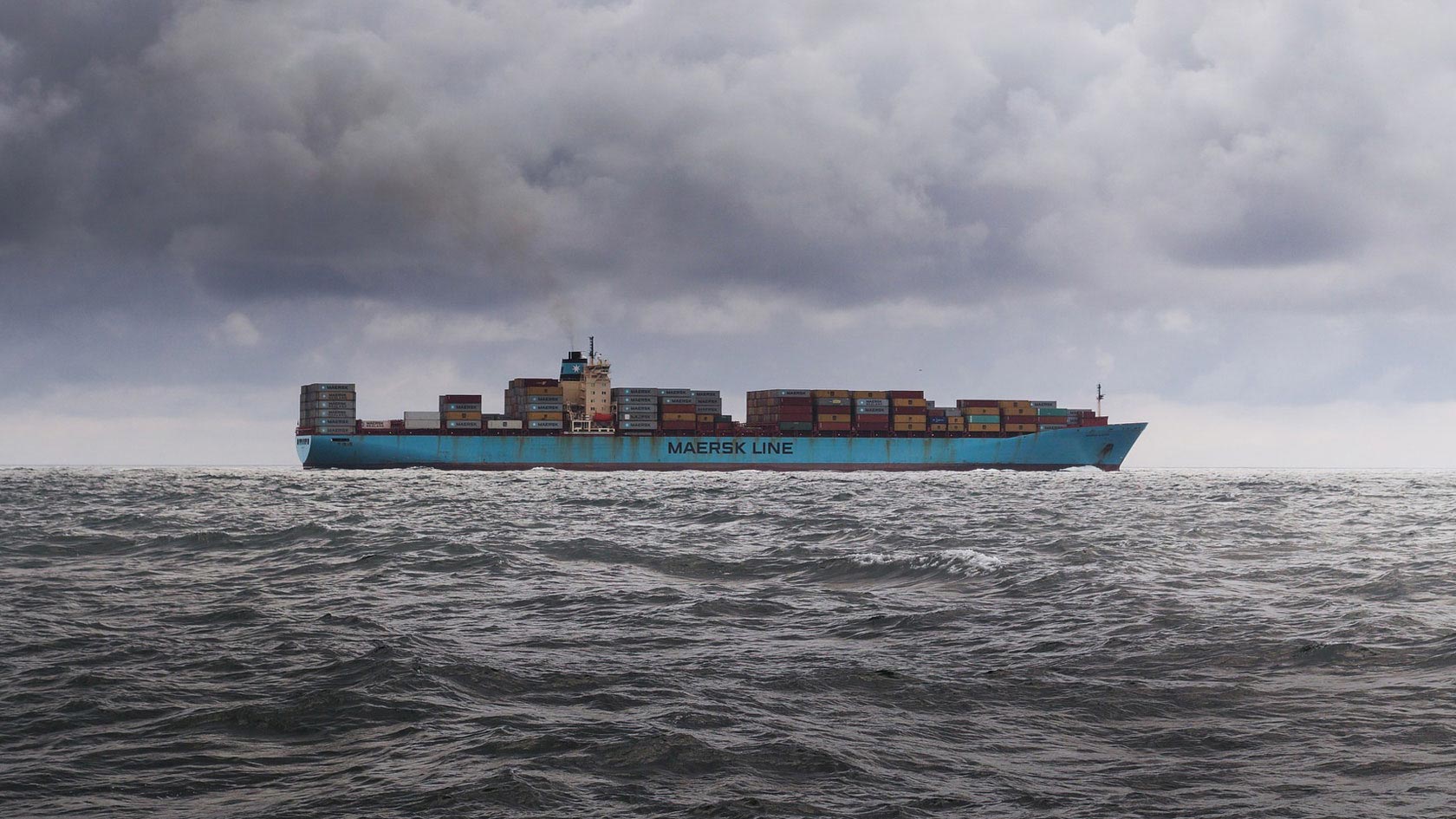
With our service, we collect used cooking oil from restaurants across Nova Scotia, Prince Edward Island, and New Brunswick. Every drop of used cooking oil we collect is recycled into renewable energy. Once collected, your processed used cooking oil is shipped to overseas markets and converted to biodiesel. Food waste byproducts removed from the oil during processing are disposed of at a local biogas plant, which uses them to generate clean electricity.
We strive for the highest standards in customer service and efficient collection of your used cooking oil.
Biofuel Oils will collect and pay you for your used cooking oil. Request pickup, we collect, you get paid. Simple, sustainable and reliable.

Call, text, or email when your oil container is about ¾ full. Scheduling is quick and convenient.

Our team arrives on time and safely collects your used oil using specialized equipment.

Receive payment based on the quantity and quality of oil collected. No hassle, no delays.
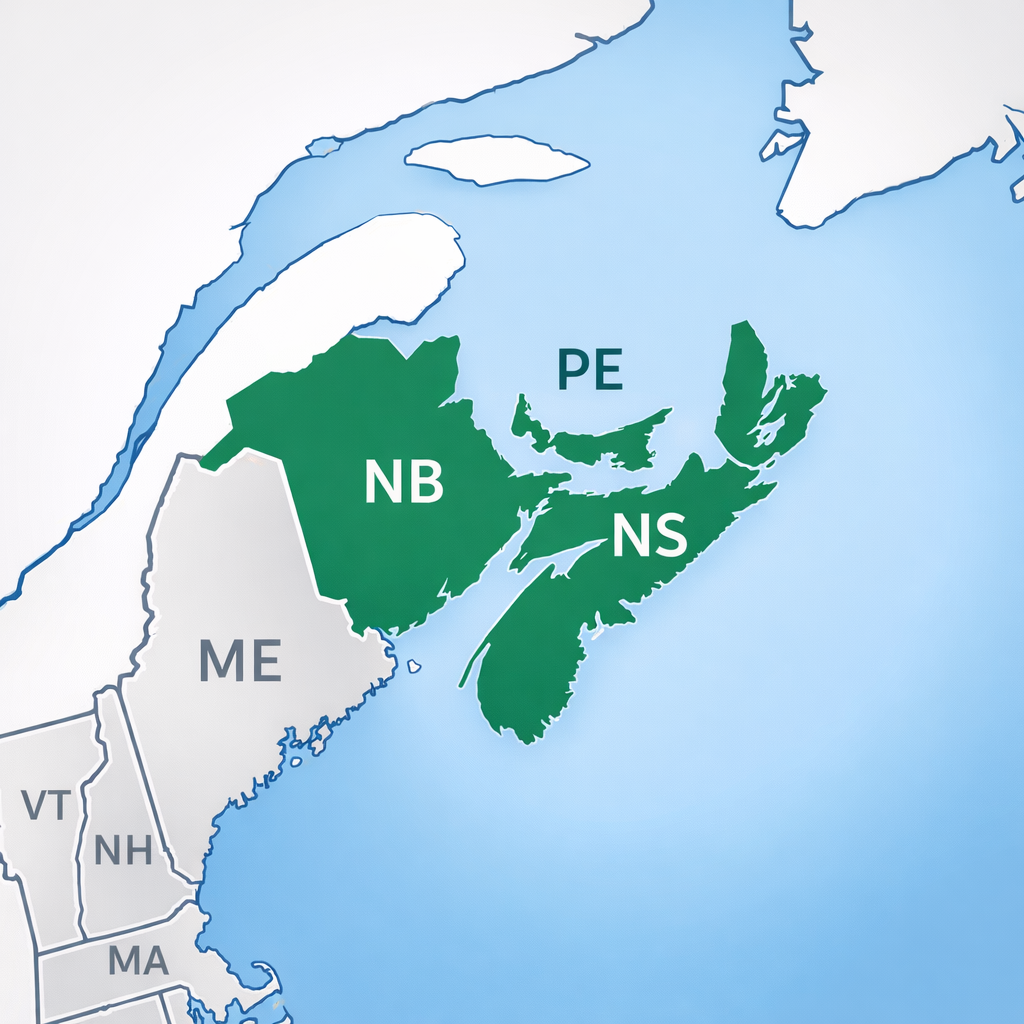
We buy oil used cooking oil across Atlantic Canada
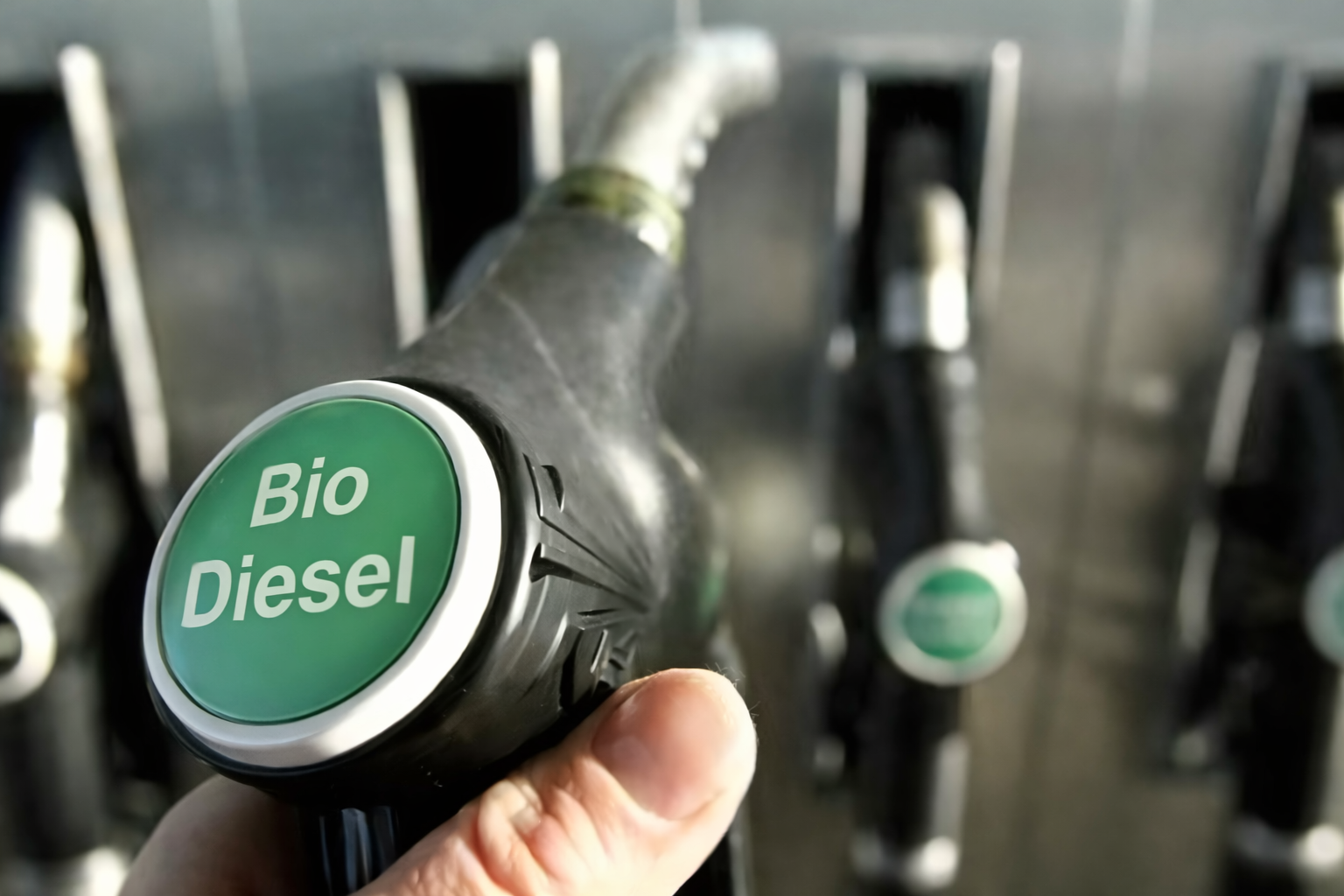
Our company purchases used cooking oil from restaurants and sells it to biofuel producers for use in biodiesel production. By using used cooking oil to produce energy through biodiesel you are contributing to healthier food and cleaner air.
Disposing of oil in the kitchen sink can clog the plumbing system that can be very costly to repair. Oil hardens when it cools down, which traps other debris and can result in slow drains, backups, or even burst pipes.
Large quantities of improperly disposed oil can contaminate municipal water. It wreaks havoc on the city’s drainage system by interfering with wastewater treatment processes, making treatment more difficult. When the walls thicken and the flow is reduced, clogged sewers overflow during heavy rains. In 2014, a Halifax manhole cover was lifted skyward by a dense lump of floating fat, oil, and grease (a “fatberg”). Cleaning a 60‑meter pipe required two water‑jet‑equipped vacuum trucks and cost Halifax Water nearly 1 million dollars.
“The problem is residents and businesses are pouring fat, oil and grease down the drain,” said James Campbell, spokesperson for Halifax Water. “People are treating their drains like garbage cans and they’re not.” “That’s material that should not be going down the drain.”
Fatbergs are challenging to fix. In order to locate the blockage, special custom robots have to be lowered down in manholes and squeeze into narrow pipes. The robots record live video of sewer contents, showing fat and grease forming large piles of white and brown lumps. After the robots are retrieved from the sewer, vacuum trucks unclog the pipe by using high-pressure water jets to blast grease away and vacuuming at the same time.
Improperly disposed oil also contaminates soil, affecting plant life and wildlife. A surface film of oil can suffocate fish by blocking oxygen transfer, and wildlife that ingests contaminated material can become ill.
By recycling waste oil, it is reused as fuel, keeping it out of already overflowing landfills. Repurposing waste oil as biofuel feedstock prevents it from returning to the food chain through rendering facilities.